Wolfeboro, NH
Known as "The Oldest Summer Resort in America," Wolfeboro sits at the eastern shore of Lake Winnipesaukee. Its walkable downtown features independent shops, restaurants, and the New Hampshire Boat Museum.
About Wolfeboro
Known as "The Oldest Summer Resort in America," Wolfeboro sits at the eastern shore of Lake Winnipesaukee. Its walkable downtown features independent shops, restaurants, and the New Hampshire Boat Museum. Year-round residents enjoy excellent schools, a vibrant arts scene, and easy access to multiple lakes.
The Story of Wolfeboro
Wolfeboro was granted in 1759, at the height of the French and Indian War, and named for British General James Wolfe, who had just fallen victorious at Quebec. The land itself was hardly new to people: Route 109 through town follows part of a major Abenaki trail that ran from the seacoast up to the big lake. The first settlers arrived in 1768, and the town was incorporated in 1770.
What makes Wolfeboro "The Oldest Summer Resort in America" is John Wentworth, New Hampshire's last royal governor. Beginning in 1768 he built a vast summer plantation beside Smith Pond (now Lake Wentworth), with a house whose foundation measured 104 by 42 feet, possibly the largest in New England at the time. It was the first summer country estate in northern New England, which is to say: the first documented case of anyone "summering" here. The Revolution ended his stay in 1775, the mansion burned in 1820, and today the stone ruins are preserved as the Governor Wentworth Historic Site.
Through the 1800s Wolfeboro lived on farms, lumber, and the mills along the Smith River. Brewster Academy began in 1820 as the Wolfeborough and Tuftonborough Academy, then was renamed in 1887 after a half-million-dollar bequest from Boston banker John Brewster, who required that no student ever be turned away "on account of his or her age, sex, or color." The railroad arrived in 1872, a 12-mile branch from Sanbornville, the same year the original 187-foot paddle steamer Mount Washington launched on the lake. By 1880 the tracks ran right across Main Street to the town wharf so passengers could step from train to steamboat.
The resort era never really ended, it just changed clothes. Dr. Henry Forrest Libby opened his natural history museum, the first of its kind in New Hampshire, in 1912. The Wright Museum of World War II followed in 1994. The rail line closed in 1985 and became the Cotton Valley Trail, and the downtown that grew up around the wharf is still the walkable heart of the lake's eastern shore.
Through the Years
- 1759Town granted and named for General James Wolfe
- 1768Governor John Wentworth begins his summer estate, the first in northern New England
- 1770Wolfeboro incorporated
- 1820Brewster Academy founded (as Wolfeborough & Tuftonborough Academy)
- 1872Railroad reaches town; the first Mount Washington steamboat launches
- 1912Libby Museum opens, NH's first natural history museum
- 1994Wright Museum of World War II opens


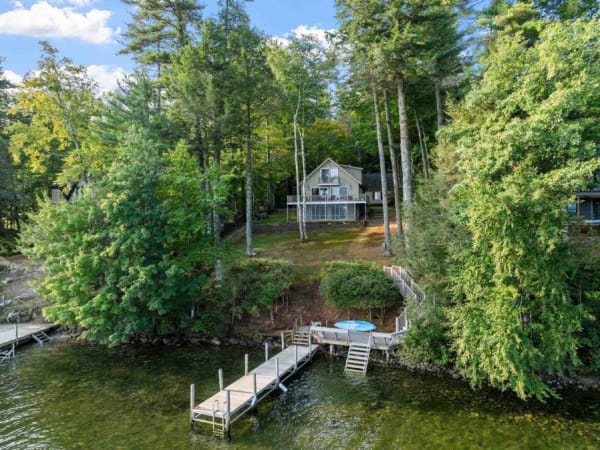
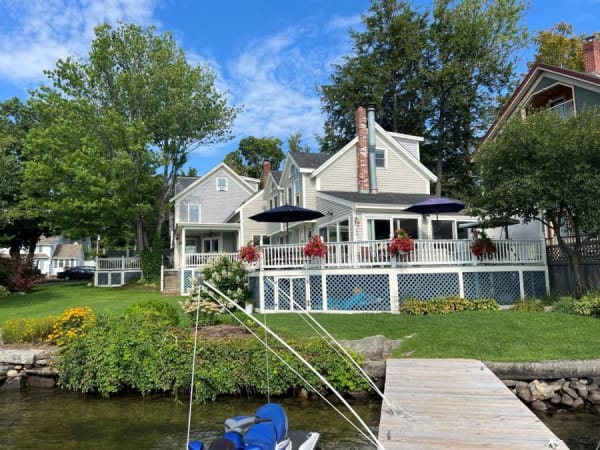
83 Homes for Salein Wolfeboro

10 Pine Hill Road
3 BD | 1 BA | 1,088 sqft
Listed by KW Coastal and Lakes & Mountains Realty/Wolfeboro

21 Waumbeck Road
5 BD | 2 BA | 2,634 sqft
Listed by KW Coastal and Lakes & Mountains Realty

36 Point Breeze Road
3 BD | 3 BA | 1,616 sqft
Listed by BHHS Verani Wolfeboro

850 Center Street
3 BD | 1 BA | 1,348 sqft
Listed by Keller Williams Realty Metro-Concord
Listing data provided by PrimeMLS. Copyright 2026 PrimeMLS, Inc. All rights reserved.
Upcoming Events in Wolfeboro
Senior Cash Bingo
10:00 AM · Wolfeboro Town Hall
Senior Coffee & Conversation
10:00 AM · Wolfeboro Town Hall
Senior Cash Bingo
10:00 AM · Wolfeboro Town Hall
Senior Coffee & Conversation
10:00 AM · Wolfeboro Town Hall
Senior Cash Bingo
10:00 AM · Wolfeboro Town Hall
Senior Coffee & Conversation
10:00 AM · Wolfeboro Town Hall
Stories about Wolfeboro

Melody Island: From Mud Island to Little Tanglewood
Before it was a coveted Lake Winnipesaukee address, Melody Island was a muddy woodlot that became the unlikely birthplace of classical music in New Hampshire.

From Crooked Pond to Cottage Country: The History of the Avery Cottages
Cottage #516 on Crescent Lake may be one of the original Avery cottages, built on land that was once a working farm. Here's the surprising story behind it.
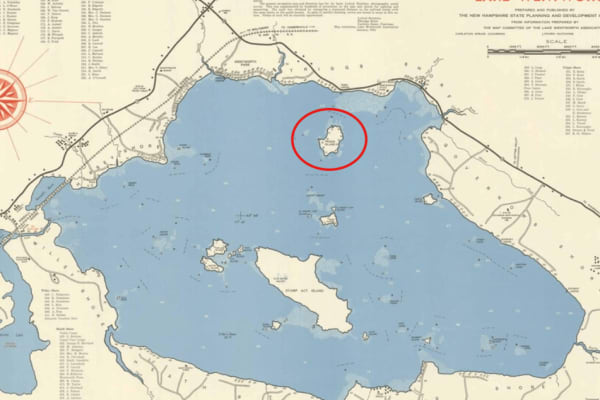
Triggs Island: The Hidden History of Lake Wentworth's Most Storied Isle
From colonial settler Thomas Triggs to a future Supreme Court justice conquering his fear of water, Triggs Island on Lake Wentworth has a story worth knowing.
List your home with Yankee Pedlar. We manage one of the largest rental portfolios in the Lakes Region and can help maximize your property's income.
Talk to Us